How to build a powerful serve today
Fix the toss, load the back leg and let the racket head do the work.
Read article
Daniel Morris
Equipment editor · 12 March 2026
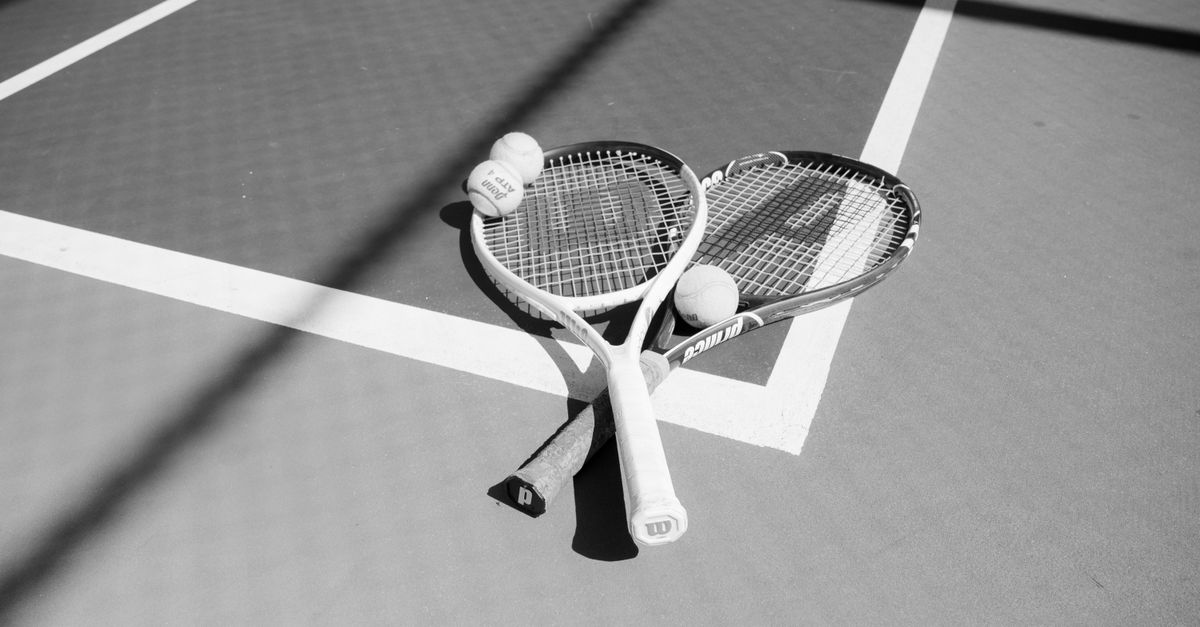
Most club players buy a racket the way they buy a jacket: they like the colour, the price feels acceptable, and they hope it fits. Then they spend a season wondering why the ball keeps flying long. Fitting a racket takes about twenty minutes and removes most of that doubt.
A racket that is too light forces you to swing harder than you need to; a racket that is too heavy collapses your swing late in a match. The simple test is a fifteen-minute rally at your normal pace. If your arm is tired but your swing shape is intact, the weight is right. If the racket head starts dropping by the end, go lighter.
Two rackets can weigh the same and feel completely different. Head-light frames move quickly at the net and are kinder on the shoulder; head-heavy frames add plow-through on groundstrokes. If your game lives at the baseline, start slightly head-heavy. If you serve and volley, stay head-light.
“If a player can tell me where their forehand breaks down under pressure, I can recommend a frame in three minutes. Fit the problem, not the poster.”

Daniel Ruiz
Head Tennis Coach
A 100 square-inch head with a 16x19 pattern gives you spin and forgiveness — the safest starting point for anyone below competitive level. Move to a 98 with an 18x20 pattern only when you are consistently hitting the centre and want a flatter, more controlled ball.
String tension is the cheapest adjustment you will ever make. Lower tension means more power and a livelier stringbed; higher tension means more control and less comfort. Change tension before you change rackets — it costs a fraction as much.
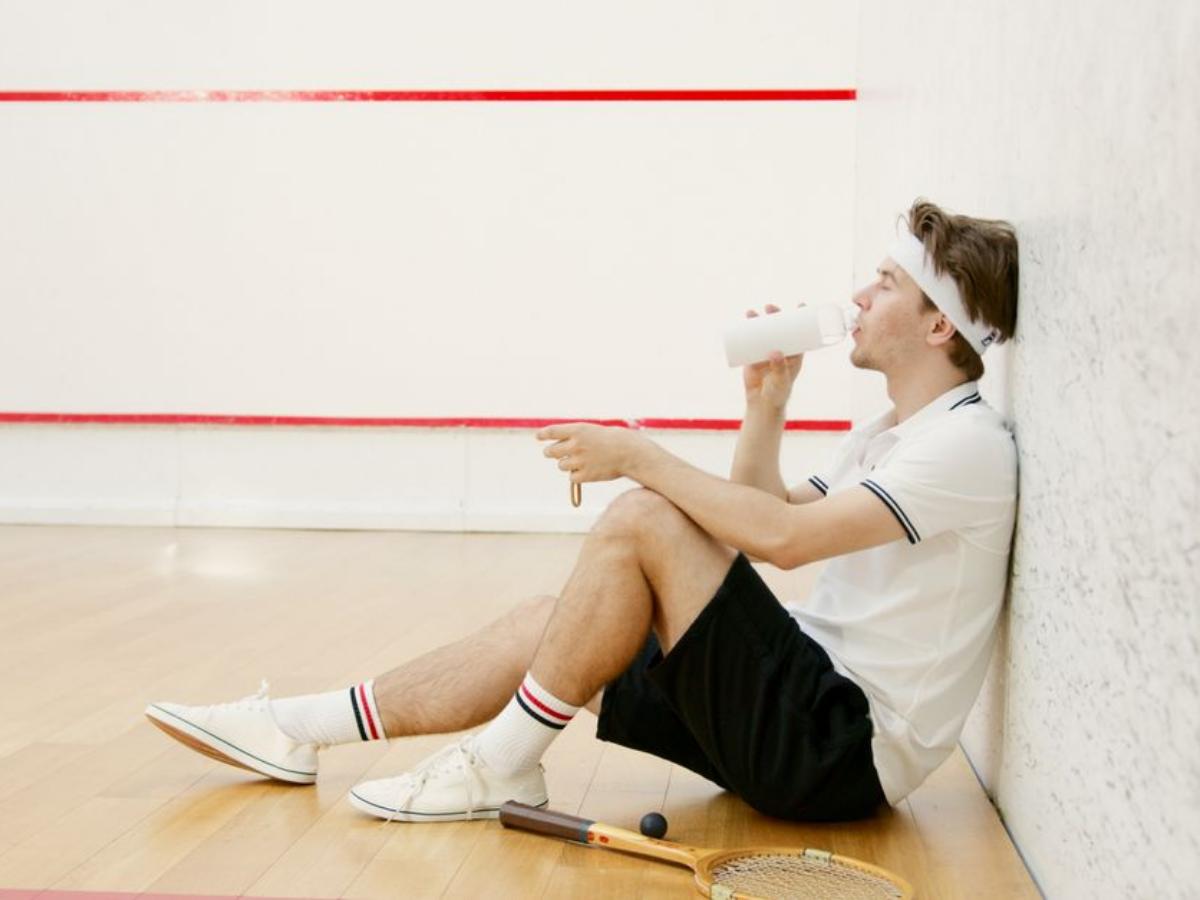
Every serious shop will lend you a frame for a session. Take three: one in your expected weight, one lighter and one heavier. Play a set with each and note where you feel late, where the ball flies and how your arm feels afterwards. The right racket is the one that makes your normal swing work, not the one that requires a new swing.
If you are unsure, book a fitting at our pro shop. We measure your swing speed, watch twenty minutes of hitting and hand you two frames to test — no obligation to buy either.
Book a racket fittingFix the toss, load the back leg and let the racket head do the work.
Read articleSplit step, first step and adjustment steps — the habits behind every good strike.
Read article