Building confidence in young players effectively
Why measurable progress beats encouragement every time.
Read article
Emily Carter
Youth foundations coach · 2 February 2026
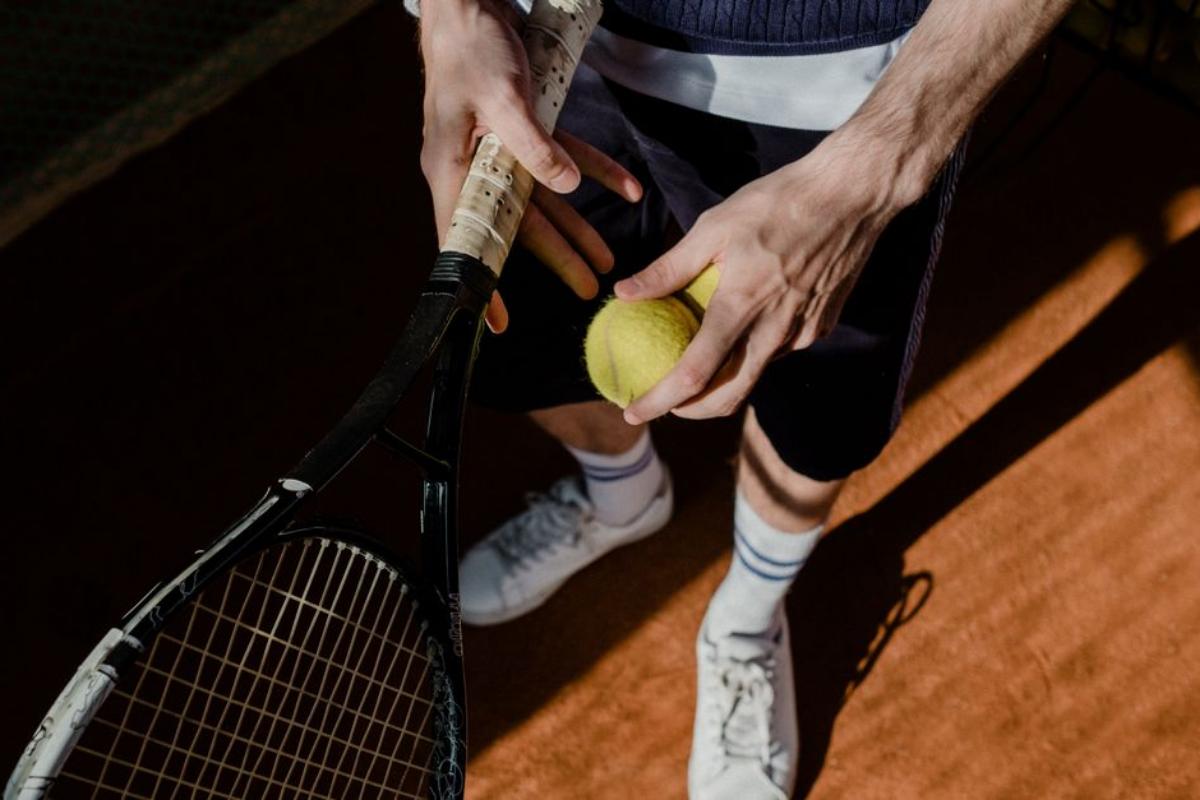
Almost every player who asks for a faster serve is trying to swing their arm harder. Power does not live in the arm. It travels from the ground through the legs, hips and trunk, and the arm is simply the last link that delivers it.
If the toss drifts backwards, the body has to compensate and the leg drive disappears. Put a racket cover on the ground just inside the baseline and aim to land the ball on it, without hitting. Ten tosses in a row is the entry ticket to the rest of the work.
The trophy position is a coiled spring, not a pose. As the toss rises, the back knee bends and the hips turn away from the net. From there the first movement is upward, not forward: legs extend, hips rotate, then the trunk, then the shoulder, then the racket.
“If a player can serve at 80% of their maximum and land 7 of 10 first serves, they will win more matches than the player who serves 100% and lands 3.”
Daniel Ruiz
Head Tennis Coach
Spin is the cheapest source of margin. A slightly more closed racket face and a faster upward path give clearance over the net and a ball that kicks away from the returner. Build the spin serve first; the flat serve becomes a surprise, not a lottery.
Five minutes of tosses, ten spin serves to the deuce box, ten to the ad box, then ten first serves with a target. That is it. Repeat three times a week and measure the landing percentage, not the speed gun.
Work on your serve with a coachWhy measurable progress beats encouragement every time.
Read articleThe four movements that protect a serve through a full season.
Read article